What was from the beginning, what we have heard,
what we have seen with our eyes, what we looked upon
and touched with our hands concerns the Word of life —
for the life was made visible; we have seen it and testify to it (1 John Chapter 1)
The first letter of St. John was written by John the Apostle and Evangelist. Most believe John was the Apostle described as the one that Jesus loved. He wrote the Gospel of the same name and three letters written after Jesus’ resurrection and ascension. It is thought that the letter was written in the late 1st Century. While some Apostles and, undoubtedly, many who were alive during Christ’s life, were still living. And what does John state in the first paragraph of the first chapter of his first letter? That he has seen and touched the “Word of Life”. The Messiah. The Son of God. And then he testifies to it.
Now this should be enough right there to establish the validity of the New Testament and, therefore, Christ’s existence and claims to be God. As well as the miracles that were well chronicled in the Gospels. But some want more. It needs to be proven that the New Testament was not a fairy tale concocted to create belief in something that never actually occurred. Now there are many facts in the pages of the Gospels and in the Acts of the Apostles that are backed up by archeological evidence. Such as the pool of Bethsaida, the pool of Siloam and the house in Nazareth where the Holy Family lived. The early dating of the writings having taken place in as little as 15 years after Jesus was alive. And many copies of the scrolls that are historically consistent over time. But what about Non-Christian sources? Are there references from people who did not have “Skin in the game”. A stake in the need for these stories to be accurate and true. The answer is a resounding YES. There are several extra-biblical and non-Christian sources that verify that Christ existed, had followers and they devoted themselves to Him to the point of death. Here are a few of those. Why is this important? Because there will be those who say that the Bible, including the New Testament, is fabricated. Therefore, what John writes in his first letter is irrelevant. It cannot be claimed as proof of Christ’s existence or his claim to be God. However, if you can show someone that Christ did exist and had followers who were willing to die for their beliefs, then John’s writings become that much more powerful.
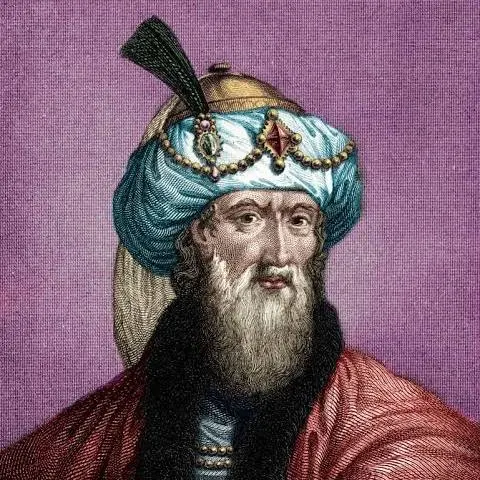
Flavius Josephus – A well known first century Jewish historian. He described Jesus as a wise, good man, crucified by Pilate, whose followers believed he appeared alive after death.
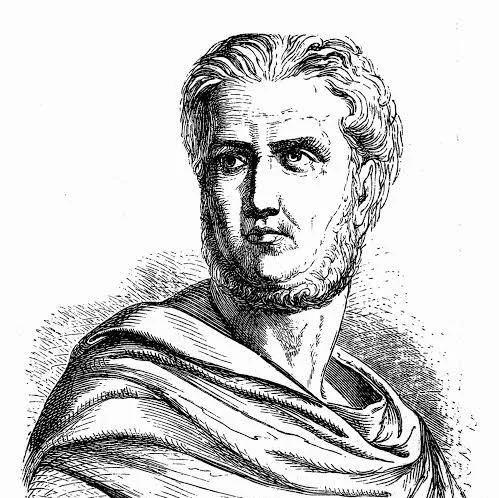
Tacitus – A Roman historian under Emperor Nero wrote that Christians were named after “Christus,” who was executed by Pontius Pilate during the reign of Tiberius.
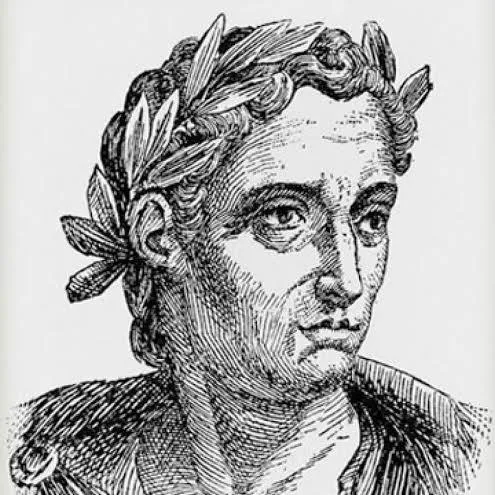
Pliny the Younger – A Roman governor writing to Emperor Trajan. Described Christians meeting to sing hymns to Christ “as to a god,” showing worship of a historical person. He also described them separating after their meeting then reassembling to consume food (communion?)
The Jewish Talmud of Babylon – The Talmud is a collection of Rabbinic commentary on the Torah…the first five books of Moses. It mentions “Yeshua” (the Hebrew spelling of the name Jesus) being “hanged” (the word that was often used when speaking of crucifixion) on the eve of Passover for practicing sorcery and leading Israel astray, aligning with New Testament accounts.
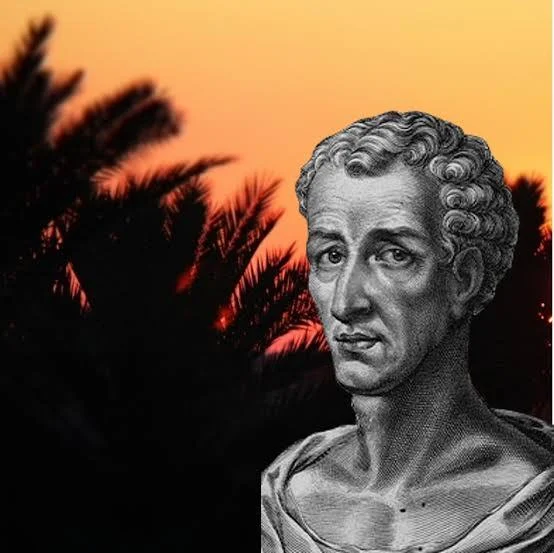
Lucian of Samosata Greek Satirist) – Mocked Christians for worshipping a crucified man, confirming their belief in a real, crucified figure.
What do these sources prove. For one that Jesus actually existed. That he was crucified under Pontius Pilate. That he had followers who believed that he was God. And that these followers believed enough in him as God to die for that belief. There are not many people that would give up their lives in order to protect a lie that they themselves concocted.
And in the Gospel we hear Matthew’s account of Mary Magdalene, Peter and John arriving at the empty tomb on that first Easter morning. We hear John’s first statement acknowledging what we have known for the last two thousand years:
Then the other disciple also went in, the one who had arrived at the tomb first,
and he saw and believed.
And as St. Thomas Aquinas stated:
“For those with faith, no evidence is necessary; for those without it, no evidence will suffice”
Where do you stand? Do you need more evidence than this? Of course we do have Marian apparitions, Christ’s appearances to people like St. Faustina, and countless Eucharistic miracles. So how do each of us respond when we hear the question that Jesus asked His disciples…“But, who do YOU say that I am”
